
禾蔻安 CISENDO®
全球首个无创子宫内膜癌筛查,填补临床空白
CDO1/CELF4 双基因甲基化,无创采样替代有创活检,全球首个无创内膜癌筛查,填补临床空白。
扎实的临床数据支撑
基于多中心注册临床试验,灵敏度与特异性均达到行业领先水平。
谁需要这项检测?
- 异常子宫出血女性
- 绝经后女性子宫内膜癌筛查
- 围绝经期女性内膜病变风险评估
- 拟行宫腔镜检查的高风险女性
临床如何应用?
- 子宫内膜癌无创早筛
- 宫腔镜术前风险分层,减少不必要的有创检查
- 高危人群的随访与监测
- 体检中心女性健康筛查方案
为什么选择我们
全球首个无创子宫内膜癌甲基化检测产品
全球专利、CE 认证、马来西亚注册证
获《子宫内膜癌三级预防策略中国专家共识》推荐
获《子宫内膜癌基因甲基化筛查技术临床应用专家共识》推荐
关于这项检测的常见疑问
禾蔻安 CISENDO® 是什么检测?
禾蔻安 CISENDO® 检测宫颈脱落细胞 CDO1/CELF4 双基因甲基化的 III 类体外诊断产品(国械注准 20243402610),是全球首个无创子宫内膜癌筛查产品。
CISENDO 检测准确率如何?
注册临床试验(4,818 例样本)显示:内膜癌灵敏度 94.51%、特异性 94.16%;另有 12,000 例真实世界多中心研究支持。
CISENDO 能替代宫腔镜和内膜活检吗?
CISENDO 为无创筛查手段,采宫颈脱落细胞即可完成,可帮助评估内膜癌风险、减少不必要的有创检查;确诊仍需宫腔镜/活检病理,但可作为高效的分流的初步分层。
异常子宫出血为什么要查甲基化?
异常子宫出血是内膜癌最常见的就诊症状,甲基化检测可无创评估恶变风险,帮助医生决定是否需要进一步有创检查,避免延误或过度检查。
哪些人适合做 CISENDO 检测?
异常子宫出血女性、绝经后女性、围绝经期内膜病变风险人群,以及拟行宫腔镜检查的高风险女性。
子宫内膜癌 相关学术文献


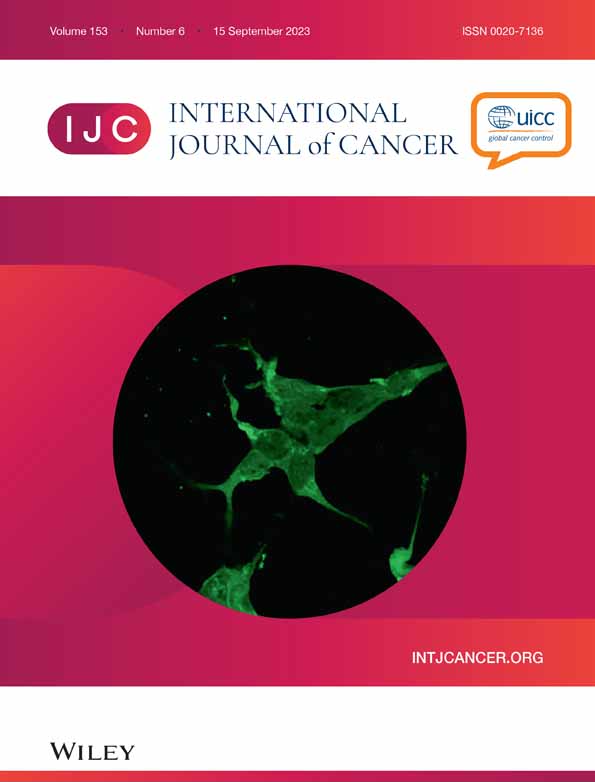
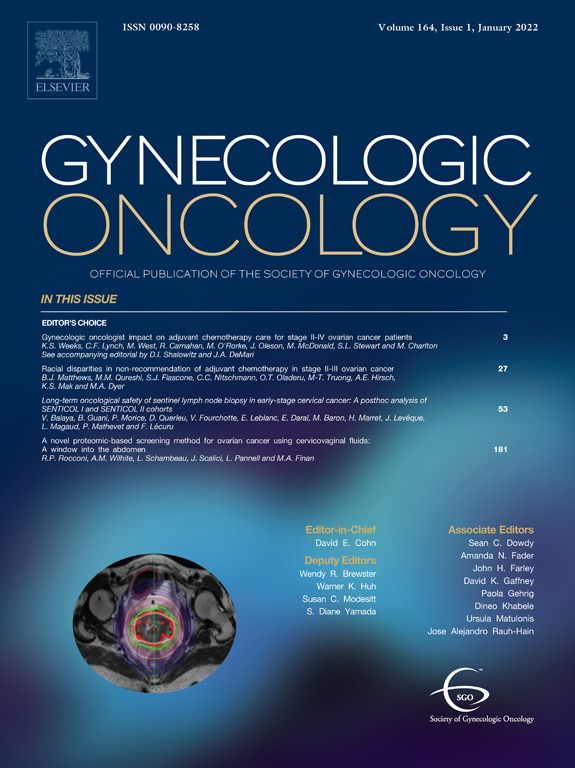
CDO1 and CELF4 methylation assay as the dominant predictor of endometrial cancer: A cohort analysis across pre- and post-menopausal cohorts
期刊:Gynecologic Oncology
发表单位:Hainan General Hospital (Hainan Affiliated Hospital of Hainan Medical University)
DOI: 10.1016/j.ygyno.2026.01.776
DNA methylation detection is a significant biomarker for screening endometrial cancer in premenopausal women with abnormal uterine bleeding
期刊:International Journal of Gynecological Cancer: Official Journal of the International Gynecological Cancer Society
发表单位:the Third Xiangya Hospital, Central South University
DOI: 10.1136/ijgc-2024-005723
CDO1 and CELF4 methylation assay as the dominant predictor of endometrial cancer: A cohort analysis across pre- and post-menopausal cohorts
期刊:Gynecologic Oncology
发表单位:Hainan General Hospital (Hainan Affiliated Hospital of Hainan Medical University)
DOI: 10.1016/j.ygyno.2026.01.776
DNA methylation detection is a significant biomarker for screening endometrial cancer in premenopausal women with abnormal uterine bleeding
期刊:International Journal of Gynecological Cancer: Official Journal of the International Gynecological Cancer Society
发表单位:the Third Xiangya Hospital, Central South University
DOI: 10.1136/ijgc-2024-005723